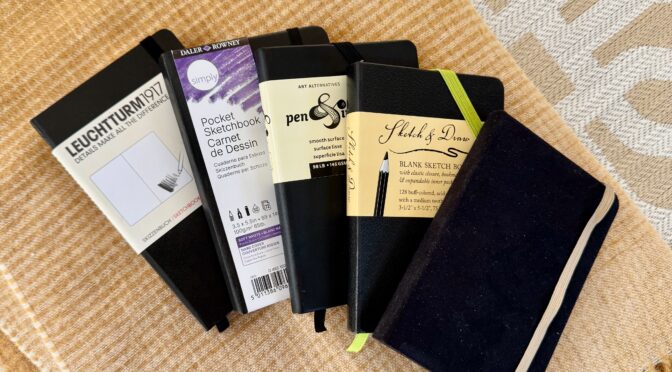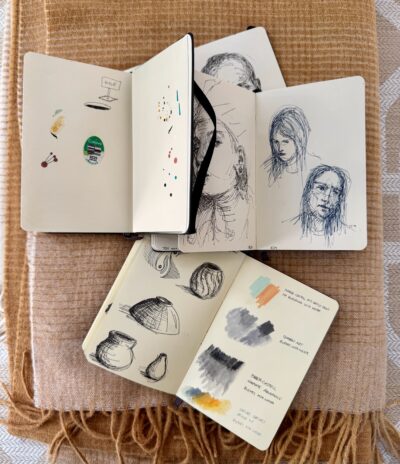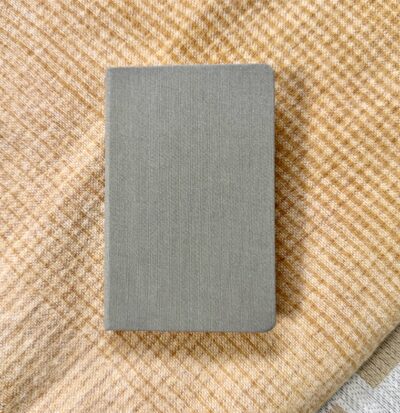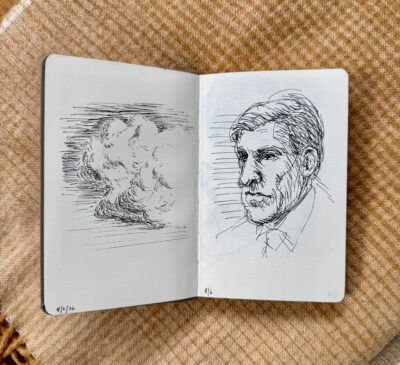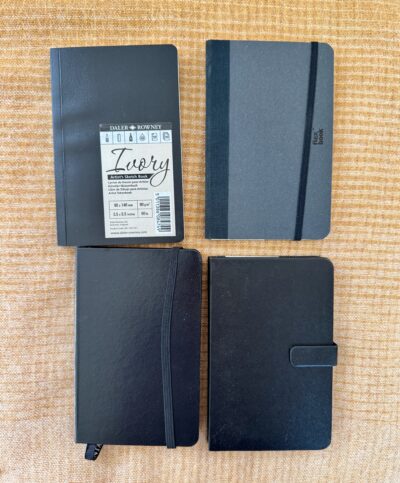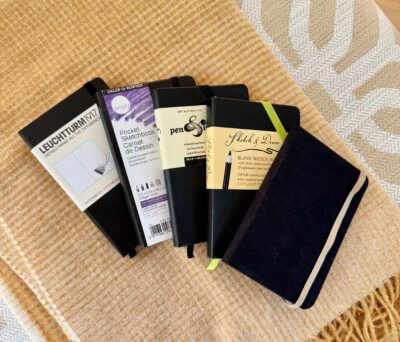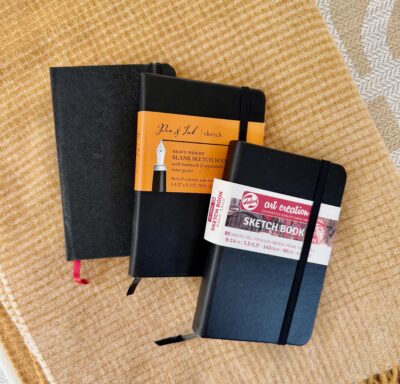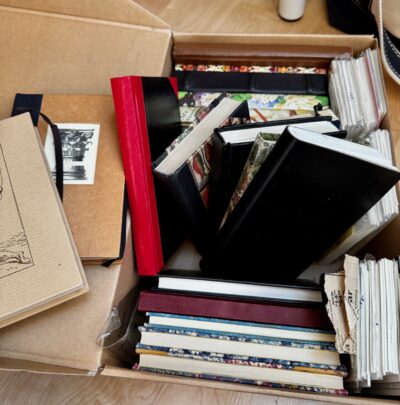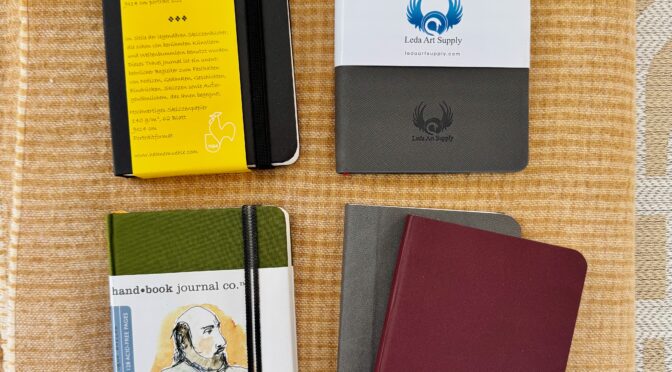
In my last post on the topic of picking a sketchbook, I was struggling to figure out what to use next, after starting and then abandoning a Bindewerk Linen journal. I eliminated quite a few candidates, and had narrowed my choices down to these:
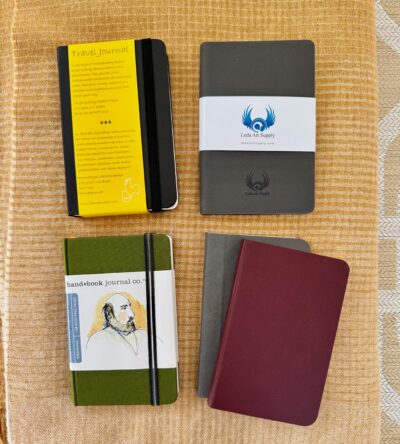
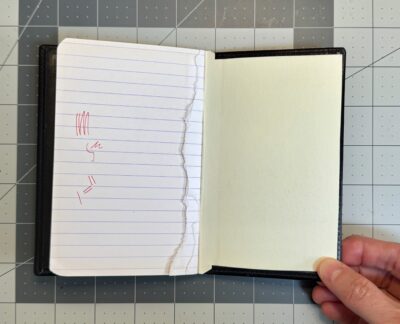
Stillman & Birn Alpha or Epsilon
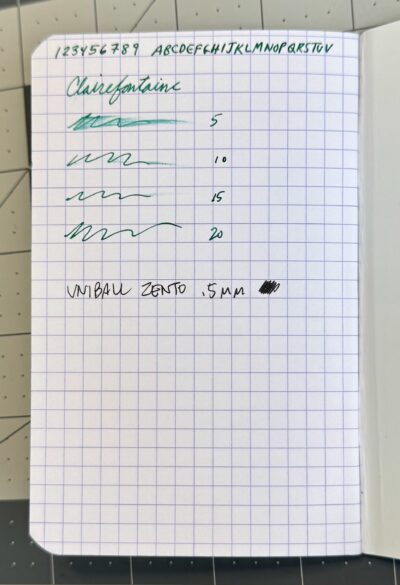
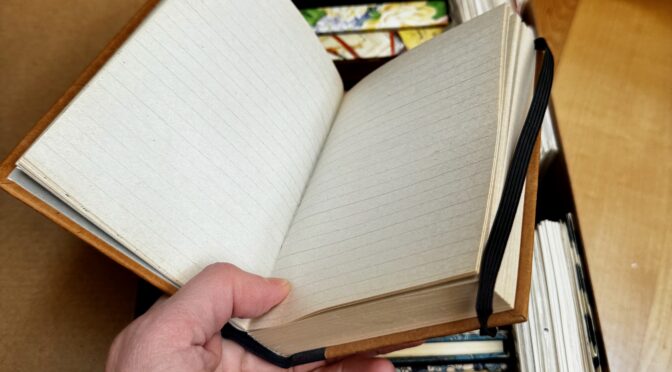
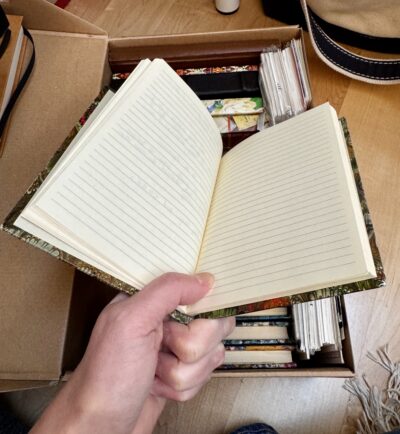
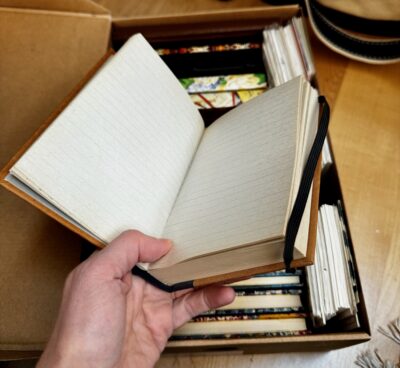
At first, I thought I would pick the Leda Art Supply sketchbook. I had previously used and reviewed one in 2018, and I liked the paper quite a bit. The paper seemed to hit a nice middle ground in terms of weight and texture– it worked well with pens and could even handle light watercolors. It was smooth enough for writing as well as drawing. If I could force myself to use just one notebook for a combined sketchbook/journal, it would be great for that purpose. When I bought this recent one, I wondered if the quality would have changed over the years. The gluing of the spine on this one came apart as soon as I opened it, which was not a good sign, but otherwise the quality seems consistent. I did some very quick paper tests: watercolors and fountain pens were good, and I still found the smooth paper nice to use.
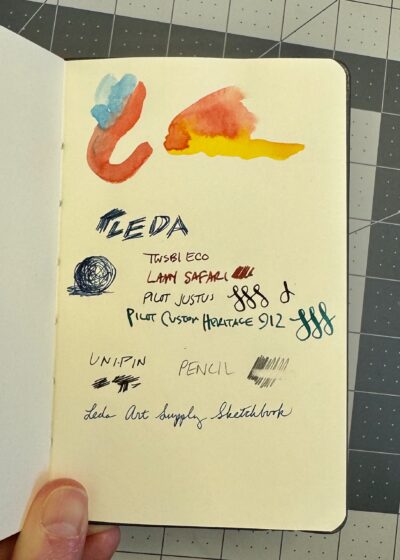
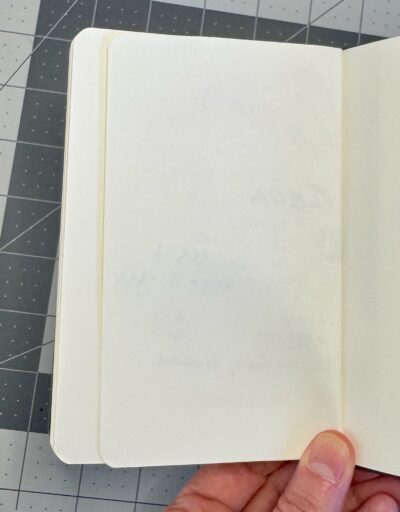
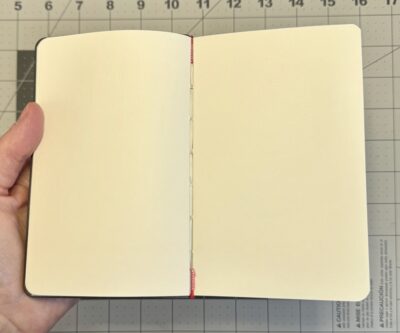
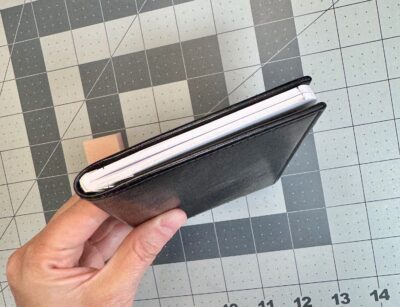
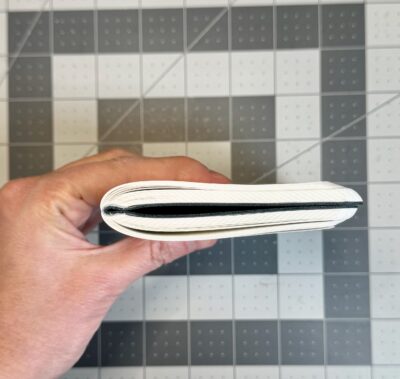
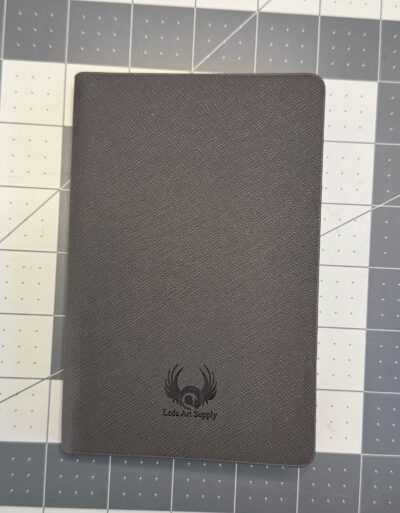
The cover is actually a bit different from my first one– the logo is now smaller. I think I had complained about that so maybe they heard me! But I was bothered a bit by the spine sticking out so much– I couldn’t seem to train it to tuck in the way it will on a Moleskine or Bindewerk notebook.
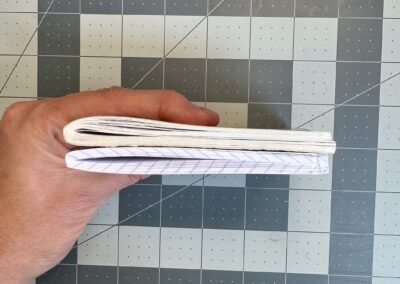
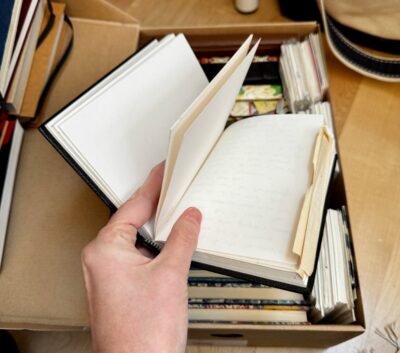
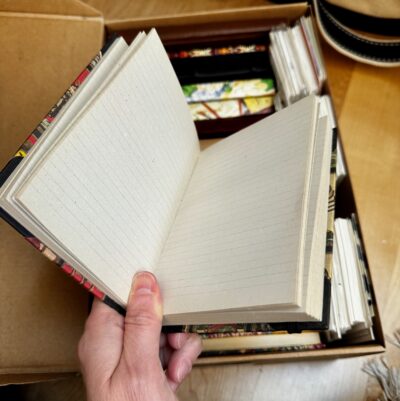
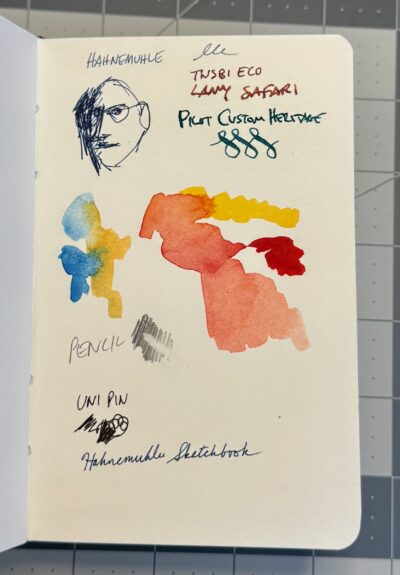
Then I thought I’d bring the Hahnemuhle sketchbook. This example may be even nicer than my original one. I found there was a bit of feathering with fountain pens, but that might not have been a deal-breaker. The paper has a little tooth to it but is a bit smoother than the Handbook. It has nice construction, with hardly any overhang– unfortunately it may be the last of its kind in this respect, as another newer Hahnemuhle sketchbook I bought had much more overhang. I decided I didn’t want something quite so thick and chunky, so this one was also not my pick.
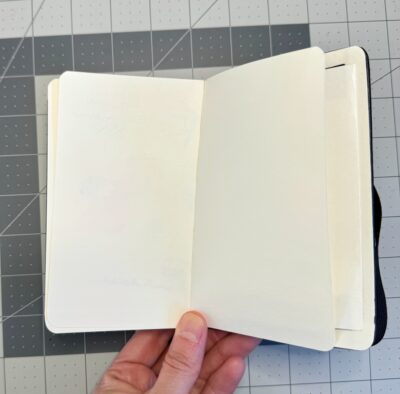
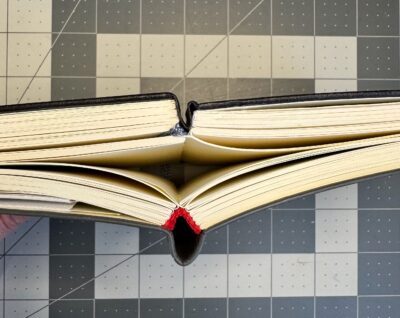
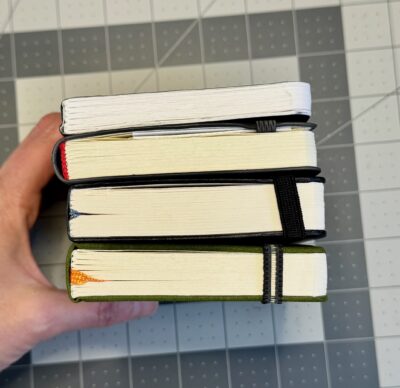
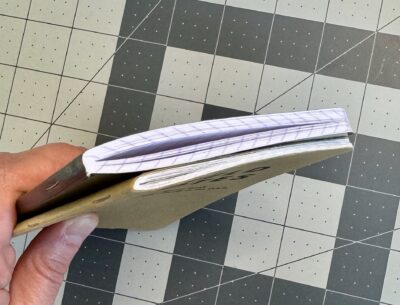
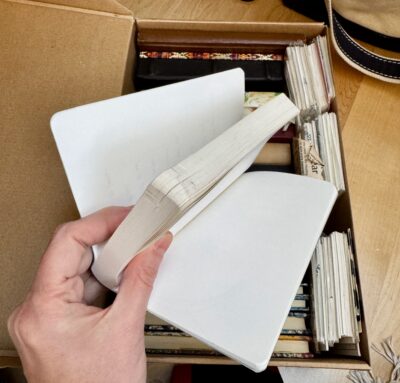
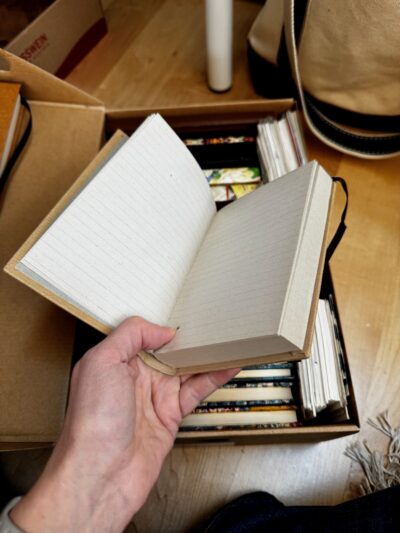
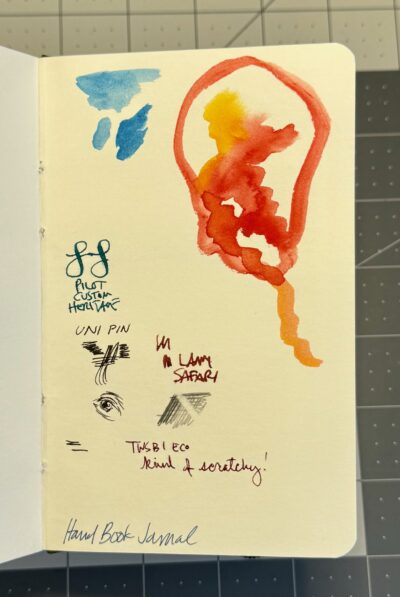
The Handbook Journal paper felt kind of scratchy with finer fountain pens, and also feathered. Here too it’s harder to flatten the spine. This particular one has no overhang, but like Hahnemuhle, the more current ones that are being sold now have more overhang. A green sketchbook would have been appropriate since my trip was to Ireland, but I just wasn’t feeling it.
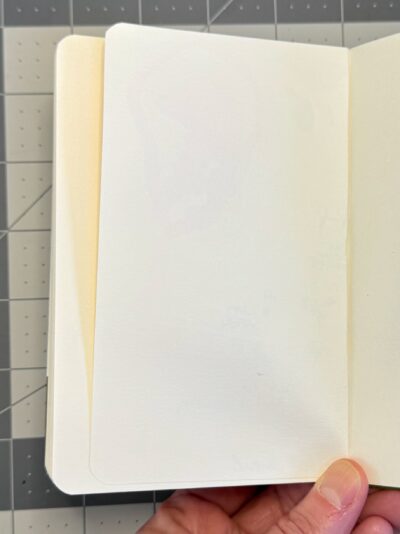
So I went with the final sketchbook on the list, the Stillman & Birn Alpha. It’s got quite heavy paper that is pretty good with pens and watercolor. It has a bit of tooth to it but not so much as to make pens feel too scratchy. (I ruled out the Epsilon because its paper was smoother and I didn’t think it would be as good with watercolors.) I wasn’t sure I really wanted a bare bones softcover with no pocket, but I decided something smaller and lighter would be good to travel with. I had good intentions to do a lot of sketching and even dove right in on the very first page– what would usually be the end papers in a hardcover sketchbook– with a little sketch of the airport lounge before departure.
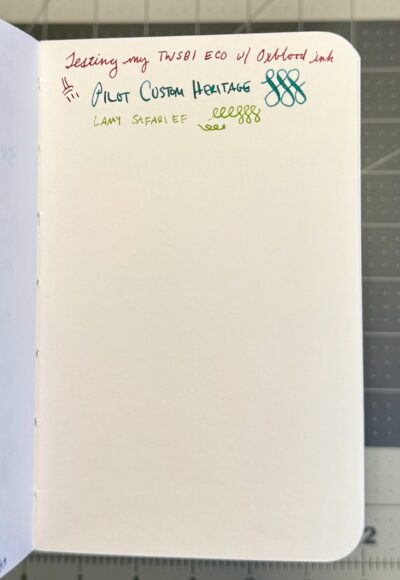
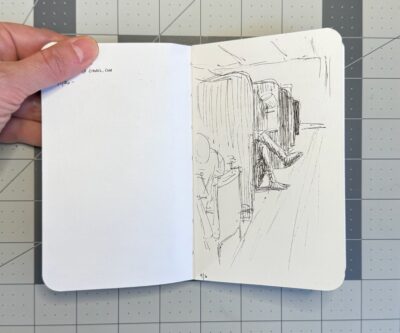
Unfortunately, I didn’t end up doing many more sketches, and wasn’t that happy with this sketchbook for what I did do. It’s not that it’s a bad sketchbook, it’s just a little out of line with my preferences. I do a lot of sketching with the same Uniball Signo RT 0.38 pens that I also write with, and they really feel great with smoother paper. As for watercolors, the Alpha paper can handle them up to a point, but for the way I usually tend to paint, which involves building up some layers of color, it wasn’t a good fit– it seemed like the paper was starting to break down and the colors seemed blah. True watercolor paper is what I really need to get the more saturated effects I want.
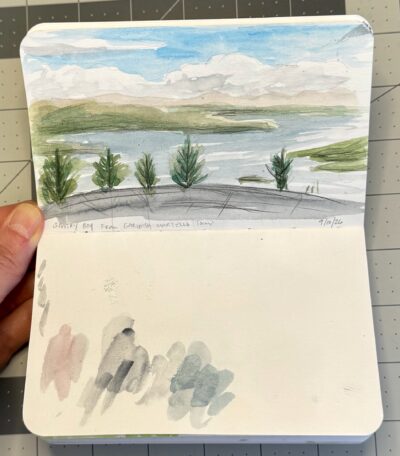
So now I feel like I have to finish the Stillman & Birn sketchbook and then move on. I’ve been in kind of a rut with drawing anyway, and feeling meh about my sketchbook isn’t helping. Maybe I’ll try to focus on using pencil, as I think that may be the best medium for this paper. And then at some point when I finish it, I’ll have this decision process all over again! But whatever I do, I don’t think I’ll count too much on using watercolors extensively in anything but a dedicated sketchbook. I may just have to live with having two or even three sketchbooks going at once, even if it’s not very efficient. But when it comes to notebooks and sketchbooks, the more, the merrier, right?