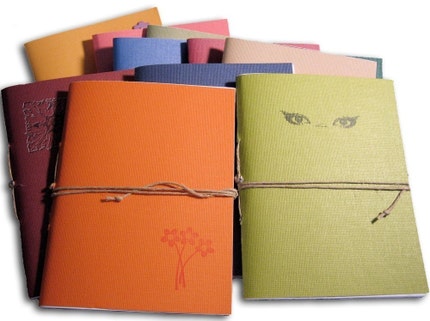
On a weekend trip to a Borders bookstore, I finally purchased two Piccadilly notebooks. I have to say, they didn’t make it easy! First of all, the notebooks were scattered in various places throughout the store– on an endcap tucked away in the fiction section, on another random rack near the fiction area where a few Moleskines and other notebooks were also displayed, and then in a large metal rack right in front of the customer service desk. Back in the fiction section, they had medium and large notebooks, lined and plain. By the service desk, they only had lined notebooks, but in all 3 sizes.
I bought a small lined notebook and a large plain notebook– before I checked them out, I showed them to the employee at the customer service desk and asked “You’ve got these right here with lined paper in all sizes, and you had the plain paper in medium and large in a couple different racks back near the fiction section. Can you tell me if you have any small ones with plain paper anywhere?” Her response was that if they did have any, they would be in the stationery section upstairs and they wouldn’t be on clearance if they did have them! In other words, they’d be Moleskines, is I guess what she was saying! I find it bizarre that Borders does this schizo thing where they consider the Piccadilly notebooks a “bargain book” and merchandise them separately from their other full-priced stationery products. And yet this store didn’t have any Piccadilly notebooks in any of their bargain book displays!
I won’t do a detailed review here, but suffice it to say that these are pretty nice little notebooks, especially for the price: $3.99 for the small and $5.99 for the large. The small is ever so slightly smaller than a Moleskine when you hold the covers side to side, and the edges overhang the paper within a bit more, so the writing space is noticeably smaller. I had the impression that my Uniball Signo pen might have bled the teensiest bit more on the lined paper than the plain, and perhaps more on one side of the page than the other, but I didn’t really have any complaints from my very limited test.
My only issue was with the pocket on the small notebook. Piccadilly notebooks have an all-paper pocket, lacking the black fabric-lined fold that Moleskines have. On my small notebook, the pocket was incorrectly attached, so that the fold is trapped under the outside of the pocket– it’s still sort of usable, but it’s no longer an “expandable” pocket. It’s just a flat pocket and you’d have difficulty getting things out, I think. My large notebook, fortunately, didn’t have this defect, but the corner of the large pocket was slightly torn.
I may still buy some more small Piccadilly notebooks if I find them with the plain or squared paper, but next time I think I’ll unwrap them before leaving the store to make sure they’re not defective! And we’ll see how they stand up to long-term use. But otherwise, I think I could be quite happy with these as opposed to the way more expensive hardcover Moleskines.
Piccadilly notebooks reviewed at Black Cover
Buy Piccadilly notebooks direct (prices slightly higher than at Borders, but unfortunately Borders doesn’t sell these on their website.)


 , a
, a  , and a small
  and a
and a  . I’ve never owned one of the Japanese albums, so I’m not sure yet how I’ll use it. I really wanted the Weekly Planner– it’s the nifty red one that includes several pages of stickers– I seem to have reverted to my 12-year old self in falling in love with these stickers that I mostly won’t use! I keep my calendar electronically, so it’s sort of silly for me to want this kind of Moleskine at all, but so far I am using it as a food and exercise journal, and using the notes page to record dreams. Perhaps I’ll uncover some interesting patterns of dreaming about certain things on days when I don’t eat meat, or something like that…
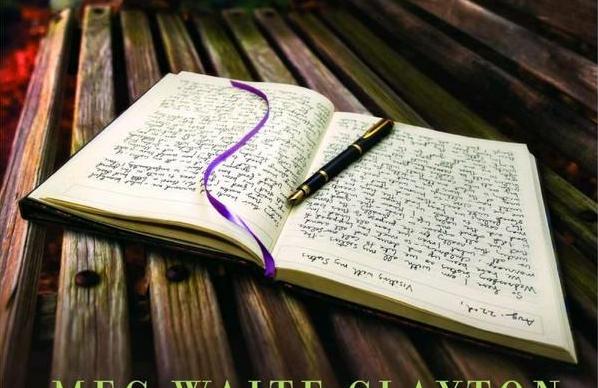
 was a staff pick. I was struck by the cover image, which features a diary and a fountain pen. There is always something so nice about the look of handwritten words on a page…
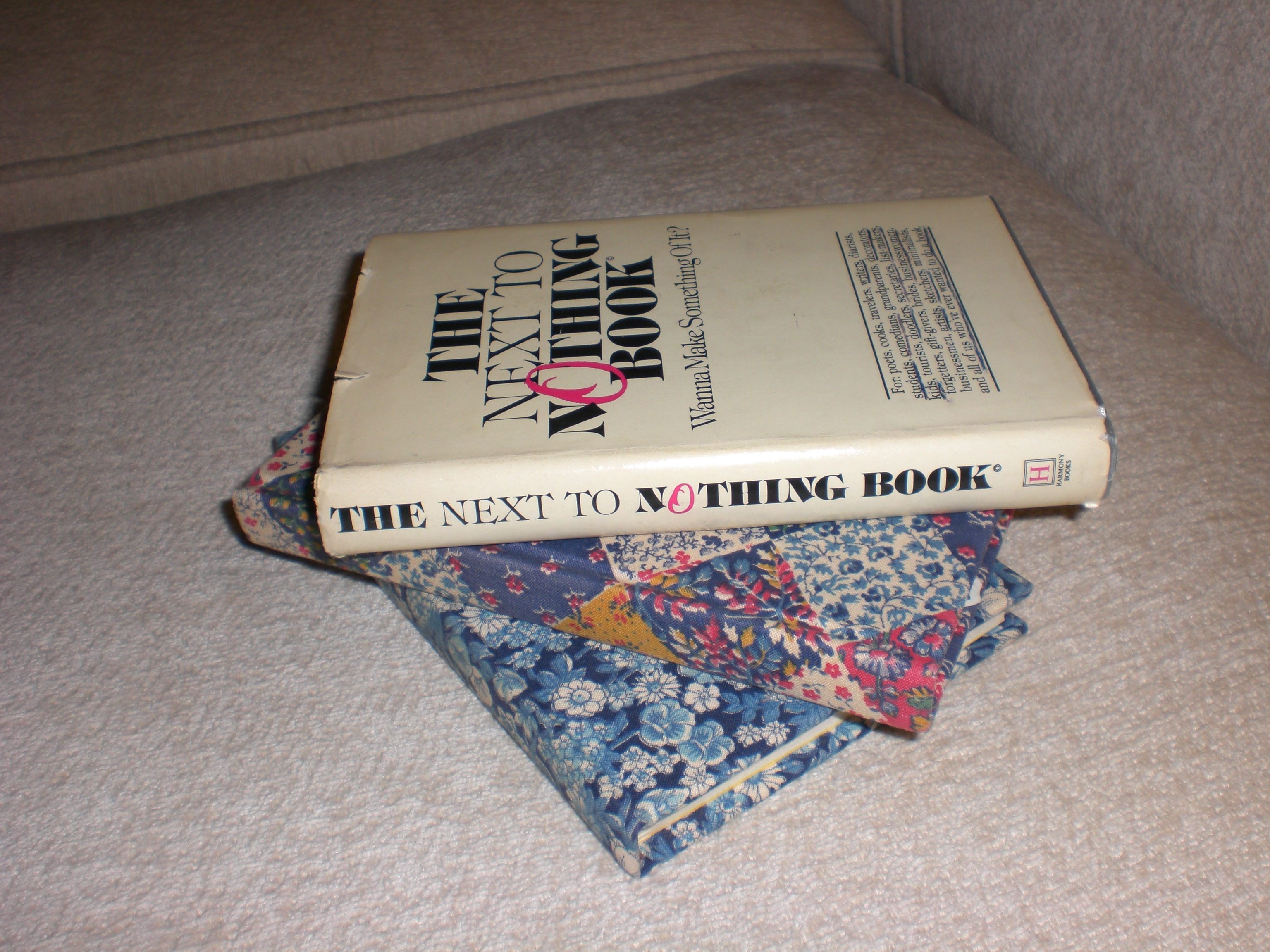
 , by Helen Garner.